
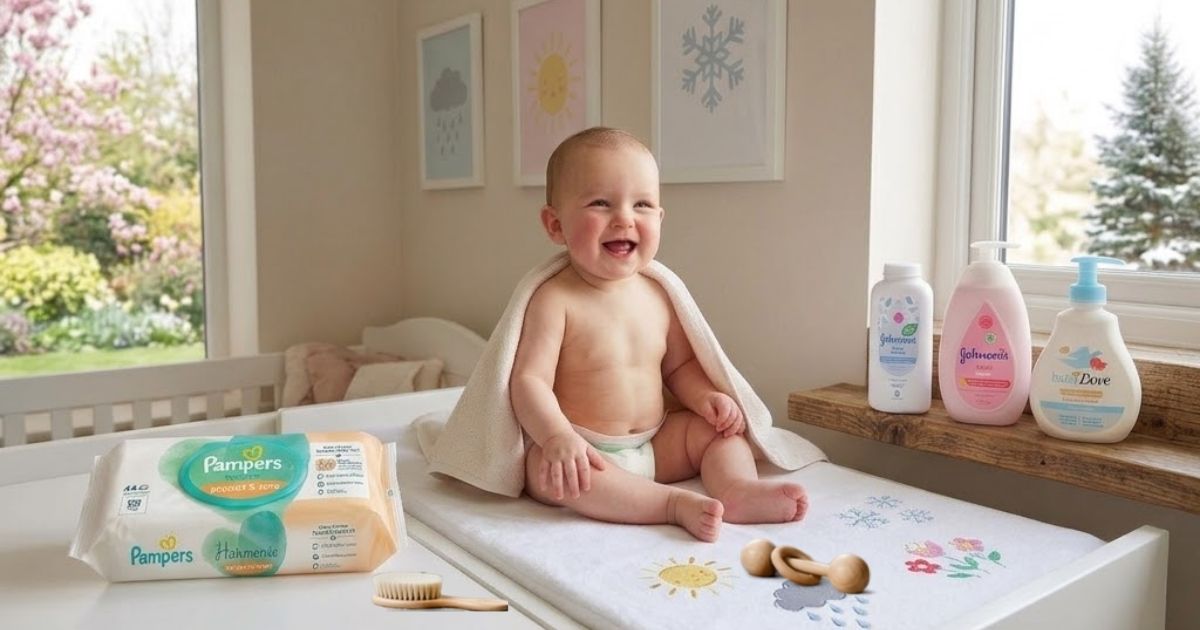
Spring Baby Care: Weather Swings and Allergies
Spring looks gentle, but for babies it's one of the most unpredictable seasons for skin and sinuses alike. Warm sunshine can turn into a chilly wind within the hour, and pollen counts begin climbing - making spring allergies in babies a common concern.
Signs to watch for:
Runny or blocked nose
Watery or irritated eyes
Skin sensitivity
Fussiness during outdoor time
Spring looks gentle, but for babies it's one of the most unpredictable seasons for skin and sinuses alike. Warm sunshine can turn into a chilly wind within the hour, and pollen counts begin climbing - making spring allergies in babies a common concern.
Signs to watch for:
Runny or blocked nose
Watery or irritated eyes
Skin sensitivity
Fussiness during outdoor time
Tips for spring baby care:
- Dress your baby in light, removable layers to adjust for changing temperatures.
- Keep outdoor walks short and calm on high-pollen days.
- Use soft muslin cloths instead of heavy blankets.
- Gently clean your baby's face and hands after time outdoors.
Why it matters: Fresh air is great for babies in spring, but sudden temperature changes and pollen exposure can tip comfort into irritation quickly - balance is everything.
Summer Baby Care: Preventing Heat Stress and Dehydration
Hot weather demands the most attention of any season, since babies can't regulate body temperature the way adults do. Knowing how to keep a baby cool in summer can prevent serious complications like heatstroke or dehydration.
Warning signs of overheating in babies:
- Sweating or flushed skin
- Heat rash
- Restless sleep
- Fewer wet (a possible sign of dehydration)
What helps most:
- Dress your baby in light cotton clothing.
- Keep them indoors or in the shade during peak heat hours (11am–3pm).
- Offer more frequent feeds (breast milk or formula).
- Use cool, not cold, baths to help regulate temperature.
- Ensure good airflow, but avoid direct fan or AC exposure.
Why it matters: Overheating can happen quickly in babies, so prevention is always better than reaction.
Autumn Baby Care: Preparing for Colds and Changing Weather
Autumn is a transition season, and it often marks the beginning of cold and flu season - making it a key time to focus on boosting baby's immunity.
Common autumn challenges:
- Early signs of colds
- Dry or irritated skin
- Sudden temperature drops
What parents can do:
- Switch back to layered clothing (vest + sleepsuit + cardigan).
- Keep your home warm but well-ventilated.
- Moisturise your baby's skin regularly to prevent dryness.
- Encourage good hygiene, especially if siblings are in school or nursery.
Why it matters: This season is all about strengthening immunity before winter arrives.
Winter Baby Care: Keeping Warm and Reducing Illness Risk
Winter brings cold air, indoor heating, and a higher chance of viral infections, so keeping a baby warm in winter without overheating is a delicate balance.
What to watch for:
- Cold hands, feet, or chest
- Dry skin
Best winter care practices:
- Dress your baby in multiple thin layers rather than one thick outfit.
- Always protect the head, hands, and feet outdoors.
- Keep indoor temperatures around 16–20°C for sleep.
- Use a humidifier if indoor air becomes dry.
- Avoid crowded indoor spaces where possible.
Why it matters: The goal is warmth without overheating, and protection without isolation.
Year-Round Baby Health Tips Every Parent Should Know
No matter the season, these baby health tips always support your baby's wellbeing:
- Consistent sleep routine Better sleep supports growth, immunity, and emotional comfort.
- Strong hygiene habits Clean hands, clean feeding bottles, and fresh clothes reduce infection risks.
- Paying attention to changes Babies communicate through behaviour - changes in feeding, crying, or sleep often signal discomfort.
- Regular health check-ups Routine visits help track development and ensure early detection of concerns.
FAQs About Seasonal Baby Care
How do I know if my baby is too hot or too cold? Check the back of your baby's neck or chest rather than their hands and feet, which are naturally cooler. Flushed skin, sweating, or fussiness can signal overheating; a cold chest or unusual fussiness can signal your baby needs another layer.
What season is hardest on a baby's immune system? Autumn and winter tend to bring the most colds and viral illnesses, largely due to more time spent indoors in close contact with others.
Do babies need sunscreen in spring and summer? Babies under six months should be kept out of direct sunlight rather than relying on sunscreen. For older babies, a mineral-based sunscreen made for infants is generally recommended - check with your pediatrician for guidance specific to your baby.
It's About Adaptation, Not Perfection
Caring for your baby through the seasons doesn't have to feel complicated. It's not about getting everything perfect - it's about making small, thoughtful adjustments as the weather changes.
Spring brings outdoor exploration, summer requires cooling and hydration, autumn focuses on
, and winter is all about warmth and protection.